0 item(s)
View cart
You have no items in your shopping cart.
Picture this: you pull up to a remote campsite after a long drive, flick on the interior lights, and nothing happens. Your caravan battery has not charged. It is one of the most frustrating moments in caravanning life, and in my experience it catches people out far more often than it should.
The good news is that battery failures are usually caused by improper maintenance rather than technical faults, and most charging difficulties can be found and fixed with relatively simple steps. This guide walks you through every common cause, a clear troubleshooting sequence, and the point at which you should call a professional.
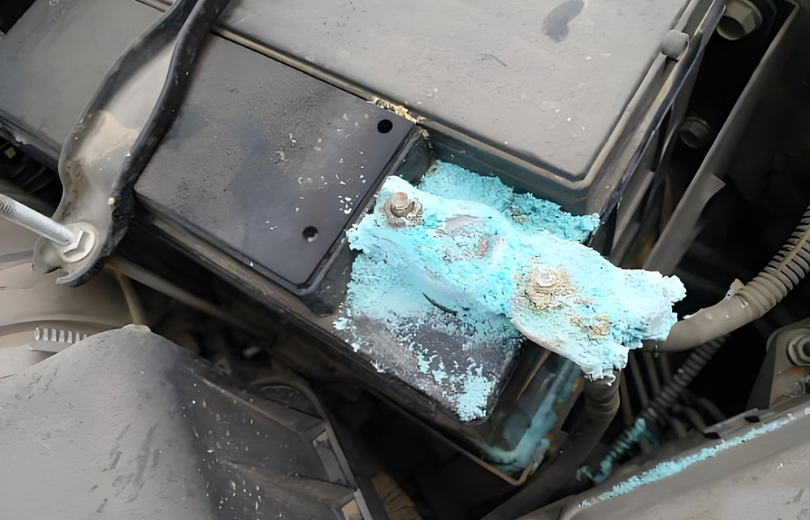
Corroded or loose terminals cause more charging failures than anything else: if battery terminals are loose corroded, or covered in that white sulphation layer, current does not flow properly, cleaning the terminals solves more "battery" problems than you would expect. Always start here before spending money.
A lead-acid battery below 10V may be permanently damaged: check the battery level using a multimeter, anything below 10V on lead-acid batteries can permanently reduce the capacity and cycle life of the battery. If yours reads this low, act immediately.
Caravan batteries have a finite lifespan: on average, a good quality leisure battery will last between 4 to 6 years. If yours is older and keeps going flat, replacement is likely more cost-effective than further troubleshooting.
Blown fuses and moisture-damaged wiring are common in older vans: if a fuse blows or the wiring in your 12V system is damaged, the battery will not charge, this happens frequently in older caravans where wiring has aged or been damaged by moisture. Inspect these early in your diagnosis.
| Cause | Best First Step | Effort Level | Time to Fix |
|---|---|---|---|
| Corroded / loose terminals | Visual check, wire brush clean | Low | Minutes |
| Blown fuse | Check fuse box, replace fuse | Low | Minutes |
| Flat or sulphated battery | Multimeter reading, trickle charge | Low | Hours |
| Faulty shore power converter | Test output voltage | Medium | Hours |
| Solar charge controller fault | Check controller display and output | Medium | Hours |
| Anderson plug / 7-pin connector fault | Inspect plug, clean contacts | Medium | 30 min |
| Damaged wiring | Visual inspection, continuity test | High | Day+ |
| End-of-life battery | Load test, replace | High | Day+ |
Start here if you are:
A first-time caravanner: Check terminals and fuses first; they are free to inspect and fix the majority of problems.
On a powered site: Test your shore power converter output with a multimeter. The charging voltage to the batteries should read between 13.6 and 14.4 volts, as the charging voltage to the batteries should range between 13.6 and 14.4 volts.
Free camping on solar: Start with the solar controller display and panel output voltage before assuming the battery is at fault.
This is the most frequent culprit, and the easiest to overlook. Bad battery connections are one of the easiest problems to fix, but they are often ignored, if the terminals are corroded or loose, the current simply will not flow, even if the charger or solar panel is working properly, and corrosion builds up gradually over time until it breaks the circuit completely.
The fix costs nothing. Disconnect the terminals, clean them with a wire brush, reconnect firmly, and retest. Wear gloves and ensure the power is off before touching the battery.
If a fuse blows or the wiring in the 12V system is broken, the battery will not charge, this happens a lot in older caravans where wiring has aged or been damaged by moisture. Inspect every visible fuse in the fuse box and replace any that are blown.
Pro Tip: Carry spare fuses of various sizes and a basic multimeter in your caravan at all times. A $20 multimeter from a hardware store can diagnose nine out of ten electrical faults before you need a professional.
When a caravan battery is repeatedly discharged too deeply or left flat for extended periods, sulphation occurs. Sulphation occurs when a battery is discharged, the deeper the discharge, the more serious the sulphation, and the sulphation material forms an insulating film that covers the plates. A sulphated battery appears to hold a surface charge but cannot actually accept or deliver current effectively.
Most lead-acid batteries deliver between 300 to 600 cycles depending on quality, and to reach that maximum cycle life you should keep your Depth of Discharge to 50%, that means recharging before the battery drops below half its capacity. If yours is regularly running to empty, shorten the replacement timeline significantly.
When you plug into mains power at a campsite, a converter (sometimes called a power supply unit) charges the battery. When you plug in to mains or shore power, the converter charges the battery, and if it fails, your battery will not charge regardless of how long you remain connected.
If you are charging from the mains, the charger or converter needs to deliver the correct voltage, with the battery connected to the mains, measure the voltage, which should be around 13.5V or a little higher while charging. A reading lower than 13V indicates a converter issue worth investigating.
The solar charge controller regulates the power from the solar panels to the battery, if it becomes faulty, it can prevent charging or even damage the battery. Before blaming the controller, however, rule out simpler problems first.
To troubleshoot solar panel issues, start by checking the wiring for any signs of damage or loose connections, if everything looks fine, check the charge controller to see if it is functioning properly, and ensure nothing is covering the solar panels.
The lifespan of factory-fitted lightweight solar panels on many modern caravans has been found to be unacceptably short, and owners frequently report premature failure and power loss, so if your van came with budget flexible panels, consider these a potential weak link.
Most Australian caravans charge via the tow vehicle through an Anderson plug while on the move. Battery banks need recharging at high current, and the humble seven-pin plug is not sufficient for the task; they are more likely to melt over time due to excessive current draw.
Symptoms of a connector fault include sparks when connecting, intermittent charging from the tow vehicle, or no charge current at all, clean the terminals with electrical contact cleaner spray as a first step. If the plug housing shows signs of heat damage, replace the entire plug, not just one side.
Pro Tip: If your van charges well on mains power but not while towing, focus all attention on the Anderson plug and the DC circuit between your tow vehicle and battery. A DC-to-DC charger fitted in-line gives a cleaner, more controlled charge than a direct connection.
While basic troubleshooting is manageable, do not tackle complex wiring or repairs beyond your skill level, if you suspect major issues, smell burning, or repeatedly blow fuses, it is time to seek professional help from qualified auto electricians or RV service specialists.
Electrical faults can escalate if ignored, so set a clear limit for your own investigation. If you have checked terminals, fuses, and voltage at the converter or controller and still cannot find the fault, book a professional inspection rather than guessing.
The team at Trailer Camper Australia can point you toward quality electrical components and reputable service contacts if you are unsure where to start.
Pro Tip: Start with the cheapest and most frequent causes, the terminals and the fuses, because they solve a huge number of cases and can save you from buying a battery that may have been fine all along.
Use a multimeter to check voltage while the charging source is connected. If you are charging from the mains, the charger needs to deliver the correct voltage, with the battery connected to the mains, measure the voltage, which should sit around 13.5V or a little higher while actively charging. A reading that sits at resting voltage (around 12.6V) with no rise suggests the charger is not delivering current to the battery.
Sometimes, but act quickly. If you have a lithium battery that has not been dead for an extended period, you can usually wake it up by pressing the wake-up button on the battery, or by connecting a higher voltage source, some chargers have a black-start feature built in. For lead-acid batteries, anything below 10V can permanently reduce capacity and cycle life. A trickle charge over several hours may partially recover the battery, but replacement is often necessary.
Check every two months and recharge if necessary, a battery left below 12.4V will deteriorate quickly and will not be able to be recharged to its original capacity. If the van is in storage, a maintenance charger connected periodically is the simplest way to protect the battery.
Lithium leisure batteries last considerably longer, easily 10 to 15 years, and require almost none of the maintenance that lead-acid batteries demand. The upfront cost is higher, but for regular travellers the long-term value is strong. AGM batteries offer an improvement in durability over standard wet batteries and normally last about six years, with no maintenance required and better tolerance for vibration, a solid mid-ground option if lithium is outside the budget.
These are placeholder FAQs -- replace via the "custom.article_faqs" metafield.