0 item(s)
View cart
You have no items in your shopping cart.
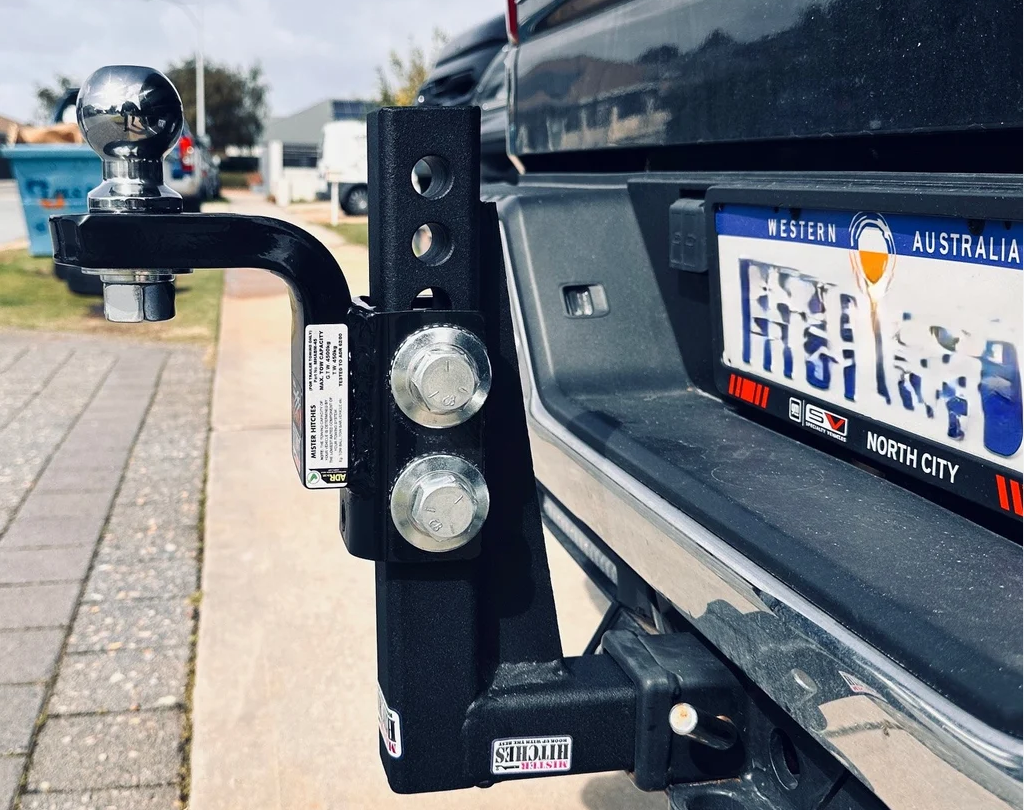
Australia's open roads demand equipment that keeps up. With Australia's vast distances rough terrain, and strict trailer regulations, having the right trailer hitch can make a significant difference in both safety and convenience. An adjustable hitch sits at the heart of that equation, yet many drivers tow for years with a fixed-height setup that quietly undermines their safety and accelerates wear on their vehicle. If you're heading out with a camper trailer, caravan, or boat this season, understanding what an adjustable hitch does and why it matters is one of the most practical decisions you can make.
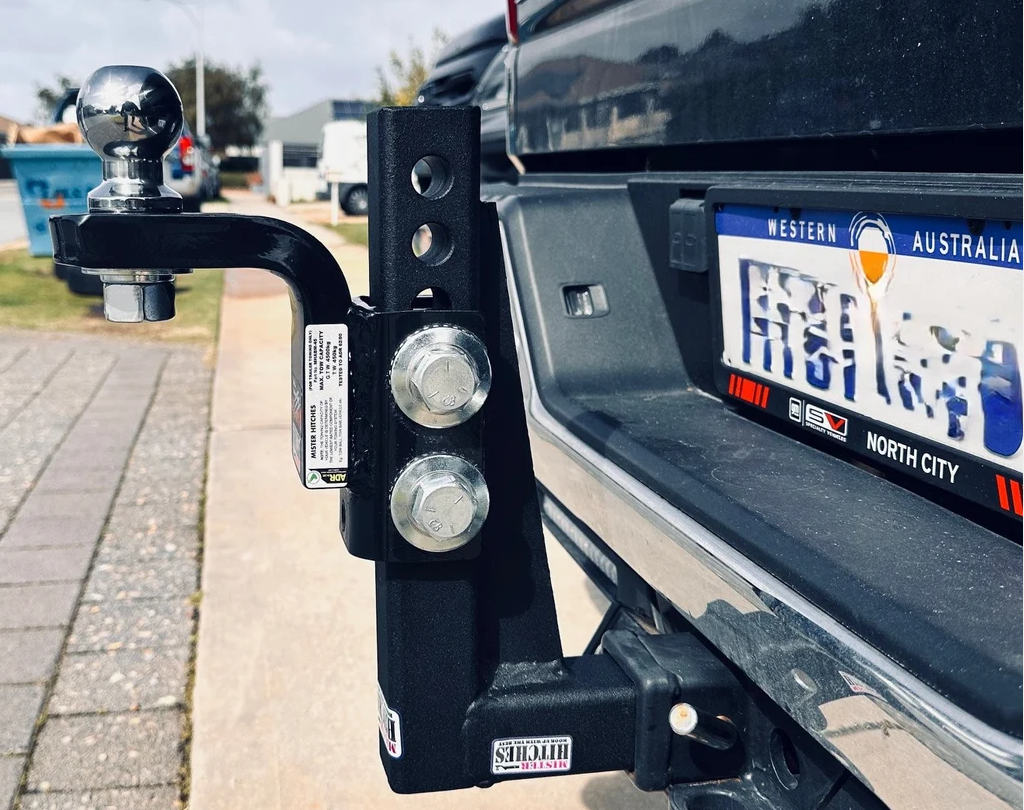
Level towing is a safety issue, not just a comfort issue: An adjustable hitch helps level the trailer and prevent hazardous towing conditions, trailers that ride too high or too low increase the risk of sway and decrease effective braking distances, and an unlevel trailer can be unstable while in motion.
One hitch for multiple trailers: Adjustable trailer hitches offer a huge advantage over fixed-height hitches by offering a one-size-fits-all design; they adjust to and work with multiple trailers and their varying cargo capacities and tongue weights.
Your vehicle will thank you: Improper trailer alignment causes significant strain on your tow vehicle's suspension and drivetrain, over time this leads to costly repairs, and by allowing precise trailer levelling, an adjustable hitch minimises the stress placed on your vehicle, helping to extend its lifespan.
Measuring correctly is non-negotiable: According to Proven Industries' hitch height guide, a mismatch of just 1 to 2 inches between your hitch and trailer coupler can lead to sway, poor braking, uneven tyre wear, and even risk the trailer unhooking at high speeds. Always measure loaded, under real towing conditions.
| Your Situation | Recommended Action | Effort Level | Time to Result |
|---|---|---|---|
| Towing one trailer type only | Fixed or basic adjustable ball mount | Low | Immediate |
| Towing multiple trailers or swapping rigs | Fully adjustable drop/rise hitch | Low-Medium | 1-2 hours setup |
| Heavy caravan (135 kg+ ball weight) | Adjustable hitch + weight distribution system | Medium | Half day |
| Off-road or corrugated tracks | Heavy-duty adjustable hitch rated for your GTM | Medium | 1-2 hours |
| Do not know your drop measurement | Measure first, then buy | Low | 20 minutes |
Start here if you're:
New to towing: Measure your drop (see the section below) before purchasing anything.
Towing multiple rigs: A fully adjustable hitch saves you from buying multiple fixed mounts.
Experiencing trailer sway or uneven tyre wear: Your hitch height is the first thing to check.
A drop hitch is a type of trailer hitch designed to lower the height of the hitch ball relative to the receiver on the tow vehicle. Most trucks and SUVs have a receiver hitch mounted at a fixed height, but trailers are built with different coupler heights depending on the trailer type and axle configuration, a drop hitch allows the hitch ball to be positioned lower so the trailer can sit level when connected.
Without a drop hitch, the trailer may sit nose-high, which can reduce stability and change how weight is distributed across the trailer axles. In practical terms, this means every kilometre you travel is doing quiet damage to your tyres, suspension, and braking performance.
You can easily adjust the height of the attachment by removing the pin and moving the ball mount to the desired height. Most quality adjustable hitches work in both a drop and rise position, meaning the same piece of hardware caters to situations where your vehicle sits higher than the trailer coupler and situations where it sits lower. You can flip your drop hitch upside down to utilise it as either a rise or drop option, depending on your needs.
Pro Tip: Always confirm your vehicle's towing capacity in the owner's manual before selecting a hitch. Knowing your vehicle's towing capacity is essential, refer to your vehicle's manual as the best resource, because overloading your vehicle can lead to severe damage and safety hazards for you and other drivers.
Getting this measurement right before buying is the single most important step most drivers skip. In my experience, a quick 20-minute session with a tape measure prevents weeks of headaches later.
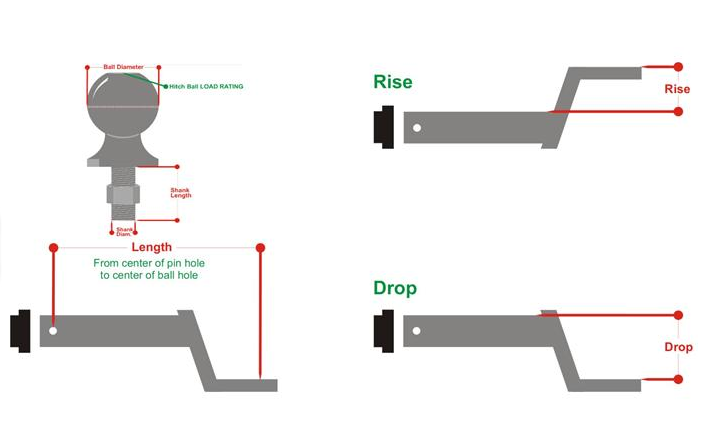
To choose a ball mount with the correct rise and drop, take two measurements: your hitch height (Measurement A), measured with the tow vehicle parked on level ground from the ground to the top of your hitch receiver opening, and your coupler height (Measurement B). Measurement B is taken with the trailer level, from the ground to the bottom of the coupler, determine which has a greater height and find the difference, which is the amount of rise or drop you need. If your hitch height is greater, use a ball mount with a drop; if your coupler height is greater, use a ball mount with a rise.
An empty trailer rides differently than a loaded one, add coolers, tools, camping gear, or water tanks, and your height can shift by two inches or more. Always take your measurements with the trailer loaded as it would be on the road, with tyres properly inflated for towing.
Trailer sway occurs due to some sort of disturbance to the trailer that causes the trailer to move from side to side, some of the most common disturbances are wind gusts, side-wind from passing vehicles, high-speed driving, tight turns, and uneven weight distribution, and it does not take much for a serious accident to happen when a trailer starts to sway.
Incorrect hitch height, a ball that is too low or too high, changes the tongue weight and overall stability, so you must ensure the trailer is level with the tow vehicle. This is exactly the problem an adjustable hitch is designed to correct. According to Shocker Hitch's sway control guide, the best way to prevent trailer sway is to have a level trailer with the weight properly distributed.
Compliance with national towing laws is the only way to ensure your trailer is road-legal and safe, in Australia, all trailers must adhere to the Australian Design Rules (ADR) and Vehicle Standard Bulletin 1 (VSB1), which cover everything from mechanical connections to lighting placement, and ignoring these standards leads to fines, voided insurance, and mechanical failure.
The NSW Government towing rules page makes clear that you need more knowledge and skill than for normal driving, and you can receive a fine and demerit points for towing illegally. A properly set adjustable hitch keeps your trailer level and your coupling geometry within legal and safe parameters.
Pro Tip: By ensuring your trailer is level with your towing vehicle, you reduce the risk of trailer sway and uneven tyre wear, this alignment helps distribute weight evenly across the axles, enhancing stability and control, and the ability to adjust hitch height means you can keep the trailer at the optimal level, crucial for maintaining proper braking and steering capabilities.
Ensure that the hitch you select has a weight rating suitable for your towing needs, exceeding weight limits can compromise safety and result in damage to your vehicle, trailer, or both. Start with the weight rating, your hitch needs to be rated at or above the gross trailer mass of what you are towing. If you're unsure, check the compliance plate on your trailer or ask a qualified fitter.
I've found that most hitch failures are preceded by warning signs that go unnoticed simply because owners don't inspect their gear regularly. Inspecting your hitch before every use and at least once a month during periods of heavy use is recommended, carefully examine the hitch receiver, ball, and all associated hardware during these inspections.
A thorough inspection should be completed at least once a year, no matter the weight capacities of your hitch or trailer, detailed inspections should not be ignored, even if you're pulling light loads.
As covered above, loading your trailer before measuring is essential. For maximum accuracy, measure the trailer with the expected tongue weight or loaded to its normal towing weight. Failing to do this means your drop calculation will be off the moment you pack your gear.
Pro Tip: If you tow different trailers throughout the year, a camper in summer and a boat trailer on weekends, an adjustable hitch is the most cost-effective solution. Explore the range of camper trailer towing accessories at Trailer Camper Australia to find setups suited to Australian conditions.
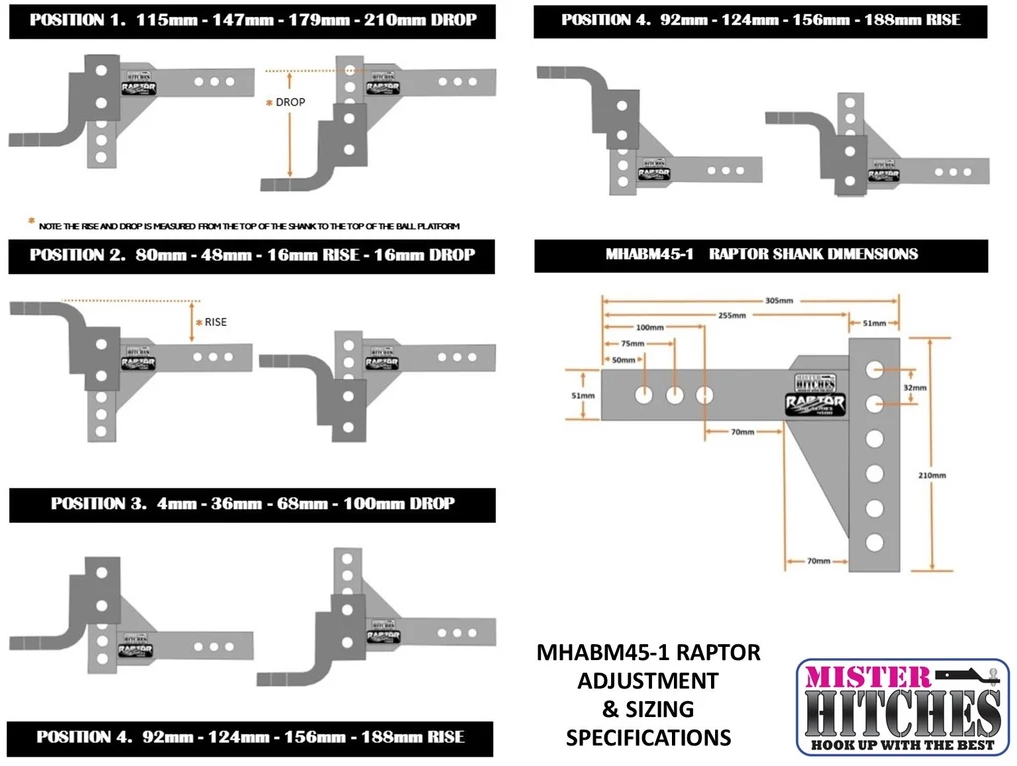
Different types of hitches are available, such as fixed, adjustable, or removable, fixed hitches are permanently mounted to your vehicle, while adjustable hitches can be changed depending on your towing needs, removable hitches are versatile and can be taken off when not in use, and each type has its advantages depending on your vehicle's design and how frequently you plan to tow. An adjustable hitch is the most versatile option if you swap between different trailers or upgrade your rig.
An adjustable trailer hitch in itself does not alter the vehicle's towing capacity, however, it is crucial to choose one that corresponds to the vehicle's rated capability, as a mismatch might result in hazardous towing conditions. Always match the hitch's gross trailer weight (GTW) rating to your trailer's actual mass, and never exceed the tow vehicle's rated capacity.
The simplest check is a visual one: stand behind the rig when parked on flat ground and look at the trailer's draw bar relative to the road. If the front of the trailer dips noticeably lower than the rear, you likely need more drop; if it angles upward, you may need less drop or a rise. Hitch drop (or rise) is the vertical distance between the hitch receiver and the trailer coupler, this measurement ensures levelness, and unlevel trailers improperly distribute weight on the tyres and suspension, when your hitch is at the proper height, it improves stability, handling, and provides a safer towing experience.
While adjustable hitches might appear to be a simple part with little upkeep, there are a few key steps to keep your hitch operating flawlessly, whether launching a boat or pulling a travel trailer, a thorough inspection should be completed at least once a year. In harsh Australian coastal or outback conditions, inspect more frequently for corrosion, as the combination of extreme heat coastal salt, and corrugated tracks means standard trailer parts often fall short of what is required for long-term reliability.
Types of Trailer Hitches: A Complete Guide for Australian Drivers, Playtime Auto Parts. Overview of hitch classes and vehicle matching for Australian conditions. With Australia's vast distances
Understanding the Advantages of Adjustable Hitches, Gen-Y Hitch Blog. Benefits of adjustable hitches including vehicle protection and versatility. https://genyhitch.com/blogs/blog/understanding-the-advantages-of-adjustable-hitches
How Adjustable Drop Hitches Improve Trailer Towing, Andersen Hitches. Explanation of drop hitch mechanics and why trucks benefit from adjustability. https://andersenhitches.com/blogs/blog/how-adjustable-drop-hitches-improve-trailer-towing
Why Choose an Adjustable Drop Hitch?, Weigh Safe. Safety benefits of adjustable hitches including sway reduction and even weight distribution. By ensuring your trailer is level
The Complete Buyer's Guide for Adjustable Trailer Hitches, CURT Manufacturing. Weight ratings, design types, and towing capacity guidance. https://www.curtmfg.com/curt-adjustable-trailer-hitch-buyers-guide
These are placeholder FAQs -- replace via the "custom.article_faqs" metafield.